Go Jače FPS: DEFAULT vs PRERENDERED — all fourteen characters compared
Go Jače FPS has a new look for its entire player roster. The familiar DEFAULT sprites are still there, but PRERENDERED now offers a second interpretation of all fourteen characters: modelled forms, more consistent angles and an eight-pose walk cycle. Here's the old and new artwork side by side, starting with Knight.
Knight
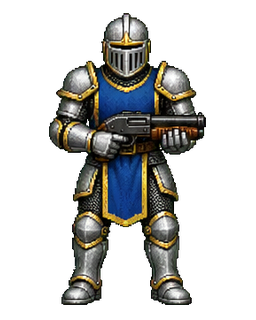
DEFAULT
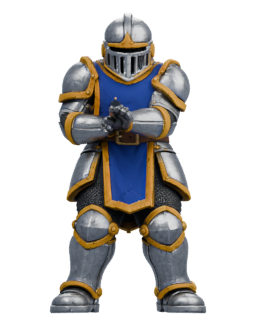
PRERENDERED
Silver plate, blue cloth and gold trim, reinterpreted with broader shading across the armour.
Same characters, a different way of making the art
The original style leans into a strong retro-sprite look: dark outlines, punchy highlights and compact poses. The new style begins with a rigged 3D character, then renders it into transparent images from fixed camera angles. In the game, PRERENDERED still uses directional sprites. It is not the same thing as drawing a fully animated 3D mesh in real time.
That distinction matters. This isn't an upscaling filter applied to the old pictures, and it isn't simply a switch to higher-resolution textures. Both sets use 256 × 320 frames. What changes is how those frames are authored, how many angles they cover and how much movement they contain.
The comparisons use the actual front-facing idle PNGs, with DEFAULT on the left and PRERENDERED on the right. Both keep their full source canvas; none has been repainted or individually cropped to make the comparison look better. Equal image size is useful for comparing artwork, but it is not a hitbox measurement: the game also applies its calibrated display scale, including height corrections for Jace and Evil Jace.
The blue roster: armour, cloth and crystal
Knight makes the difference particularly clear. The old armour is defined by bright edges against dark joints; the new version uses broader shaded surfaces and a different, more forward-facing weapon pose. The blue tabard, gold edging and helmet still identify the same character. I haven't removed the old interpretation just because there's a new one.
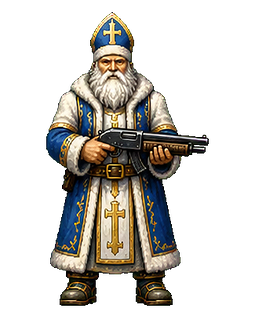
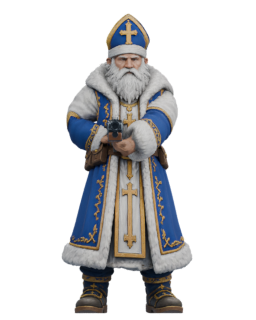
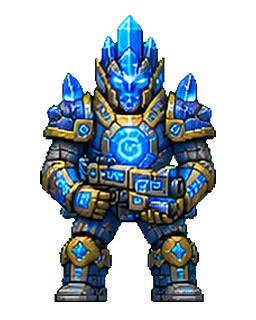
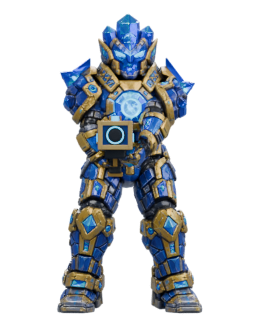
The rest of the blue roster has the same before-and-after treatment. Jace retains the blue cloak and worn armour; Miklavz keeps the beard and blue-and-gold ceremonial clothing. The two golems show how the same process handles very different surfaces: Golden Idol's worn gold blocks versus Sapphire Sentinel's blue crystal and glowing core.
Jace
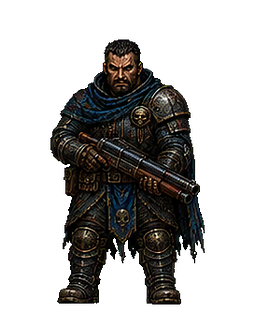
DEFAULT
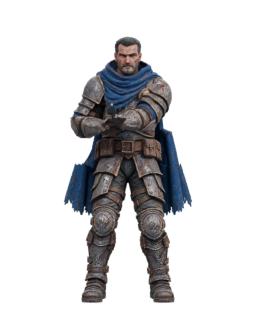
PRERENDERED
The scarred, blue-cloaked protagonist moves from heavily outlined sprite shading to a rendered armour-and-cloth treatment.
Miklavz
DEFAULT
PRERENDERED
The white beard, blue-and-gold mitre and long fur-trimmed coat remain the defining features.
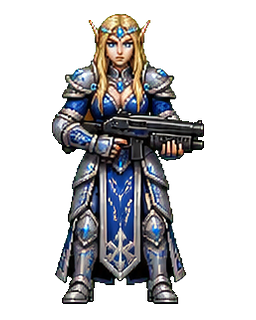
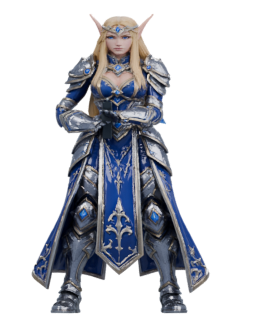
Blood Elf
DEFAULT
PRERENDERED
Pointed ears, pale hair and patterned blue armour survive the move to a rigged, rendered character.
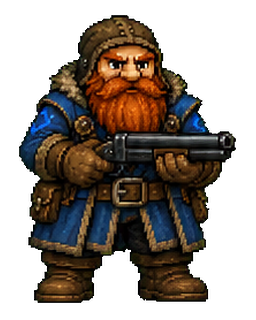
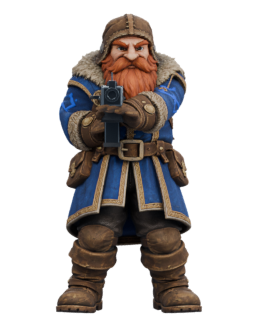
Dwarf Hunter
DEFAULT
PRERENDERED
The ginger beard and stocky outline remain, with more rounded clothing and armour forms.
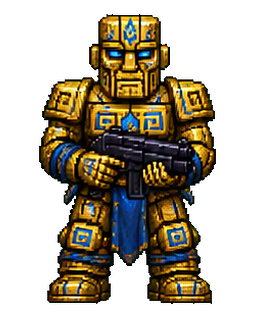
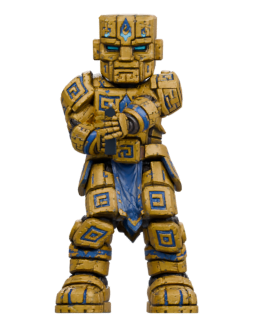
Golden Idol
DEFAULT
PRERENDERED
Gold blocks and blue markings now read as shaded, worn surfaces rather than bright outlined facets.
Sapphire Sentinel
DEFAULT
PRERENDERED
Crystalline blue armour, gold fittings and the luminous core keep this silhouette distinct.
The red roster: horns, fire and a suspicious bedsheet
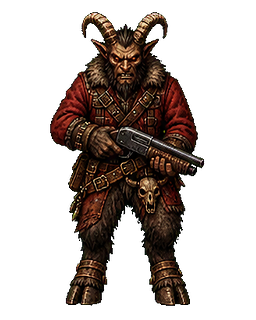
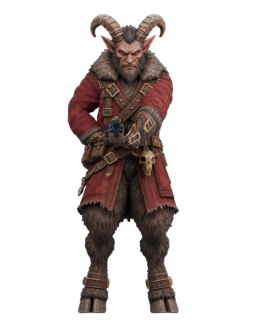
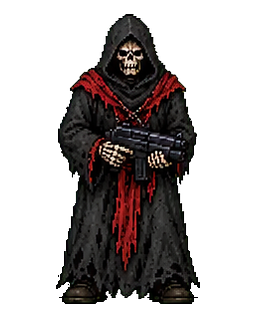
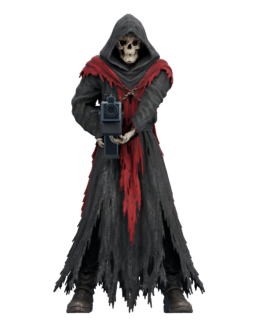
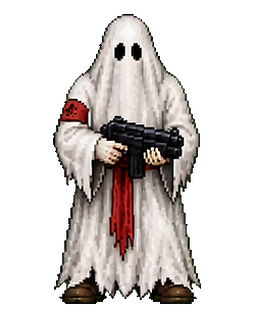
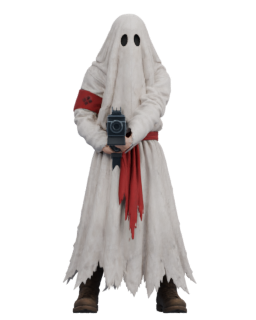
On the red side, keeping each silhouette recognisable was more important than making everyone look uniformly realistic. Parkelj still has the curled horns and cloven hooves. Revenant is still a flaming skull in dark armour. Reaper remains a hood and a skull, while Sheet Ghost is deliberately still somebody in an opaque sheet costume, not a translucent special effect.
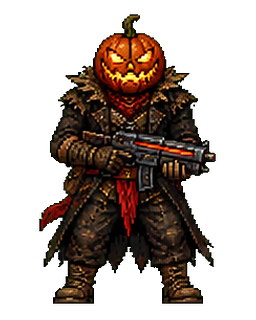
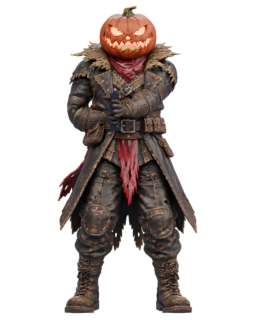
There are real reinterpretations here, not identical drawings with extra detail. Compare the pumpkin's expression on Headless Jack, the softer cloth shading on Reaper, or the direction of the carried gun. The palette and costume establish continuity, while the new model supplies a consistent body to turn and animate.
Parkelj
DEFAULT
PRERENDERED
Curled horns, fur, crimson cloth and cloven hooves carry the original goat-demon identity across.
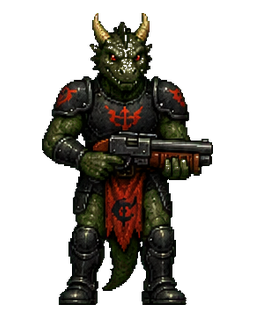
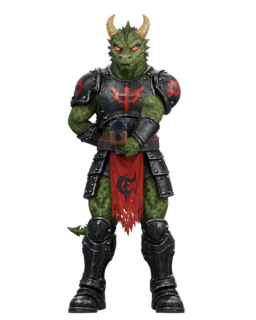
Dragon
DEFAULT
PRERENDERED
Olive scales, tan horns and red-marked dark armour remain; the model also supplies consistent side and rear views.
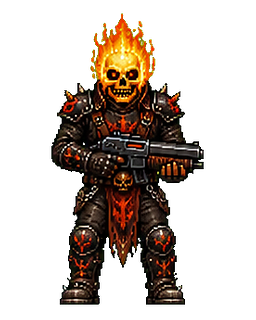
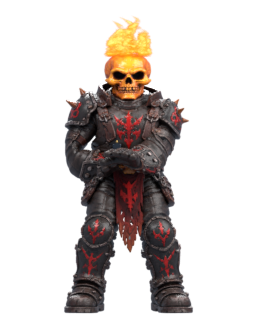
Revenant
DEFAULT
PRERENDERED
The flaming skull and scorched armour remain the focus, with the flame rendered from an animated volume.
Reaper
DEFAULT
PRERENDERED
The hood, exposed skull and ragged black-and-red cloth get a more softly shaded interpretation.
Sheet Ghost
DEFAULT
PRERENDERED
Still a sheet costume with black eye holes, red sash and boots, now with folds shaped around the rigged body.
Headless Jack
DEFAULT
PRERENDERED
The carved pumpkin, battered coat and red accents retain the Halloween character in a new rendered form.
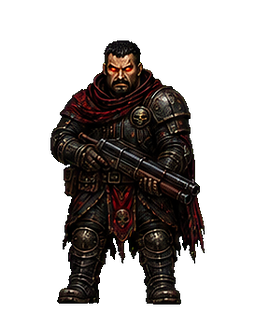
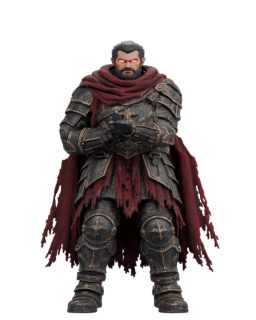
Evil Jace
DEFAULT
PRERENDERED
Crimson cloth, dark armour and glowing red eyes distinguish the corrupted counterpart.
The bigger improvement is between the still pictures
A front-facing comparison only shows part of the change. DEFAULT has front, right and back artwork, using a mirrored side view for the left. Its moving animation alternates two walk frames at six frames per second. That gives it a distinctly snappy, old-school rhythm.
PRERENDERED has eight true views at 45-degree intervals, including the diagonals, without mirroring. Each direction has an idle pose and eight walking samples, with a complete movement cycle lasting 0.75 seconds. Standing and crouched artwork bring that to 144 frames per character, compared with the original 18.
The extra poses include the passing steps between foot contacts, so movement isn't just a swap between two extremes. The different cadence is intentional: it is not a claim that the game itself runs at a higher frame rate. Long robes, capes and Sheet Ghost's hem can still hide part of the leg motion. More frames help, but the silhouette and pose design still have to do their job.
The source workflow uses reference-based Tripo models and rigs, followed by Blender work on calibration, animation, separate carried weapons, hand grips and character-specific corrections. The pictures are rendered ahead of time and imported as sprite textures. They are not generated while you play.
What it looks like inside the game
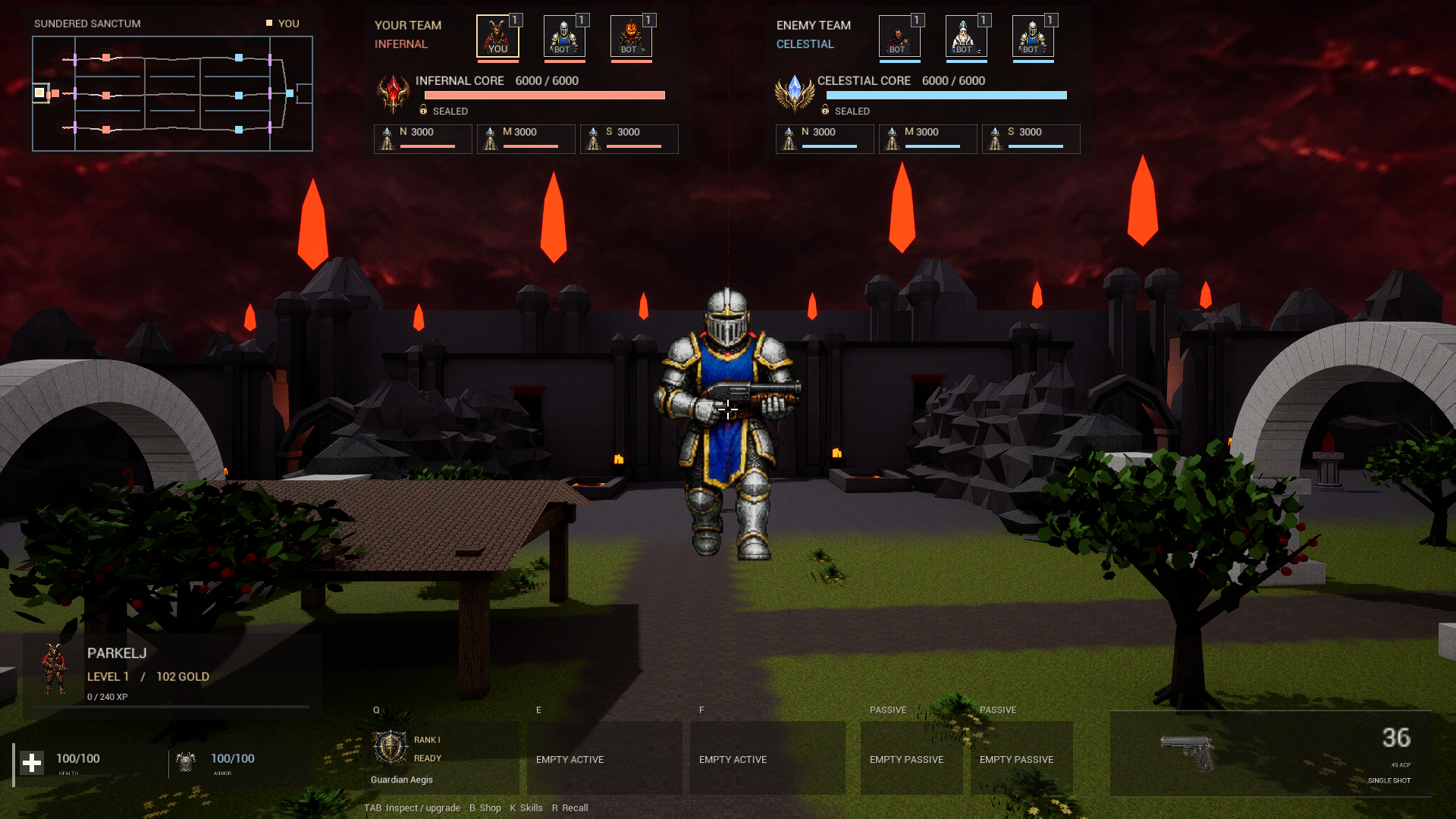
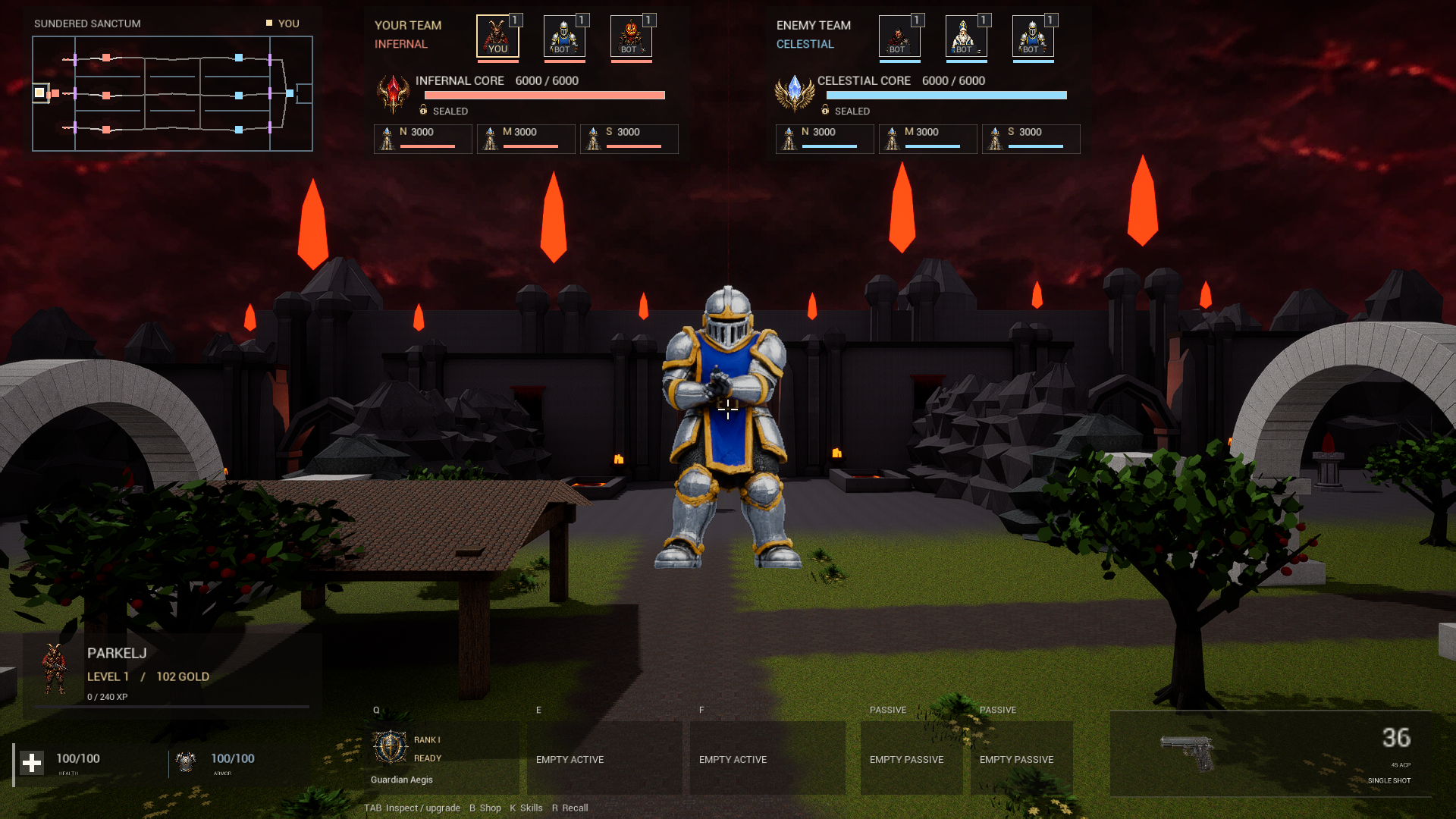
These two captures come from the same camera in the packaged 0.4.214 character-style test, rather than a separate 3D rendering application. The subject is held in a deliberately elevated presentation position so the whole character can be inspected. That floating placement is test staging, not how characters normally spawn, and the two views are not the same animation pose.
DEFAULT Knight in the packaged 0.4.214 presentation fixture. The floating comparison subject is deliberately staged, not ordinary spawn placement.PRERENDERED Knight from the same packaged-game camera. The HUD and arena are unchanged; these fixture views show different animation poses.
The setting also updates the character figures in the lobby background. The existing selection portraits and first-person weapon artwork are separate assets; choosing PRERENDERED is not a redesign of every image in the interface. The weapon depicted in a character's sprite set is authored into that set, not a new promise of weapon-specific animations for every equipped gun.
How to switch
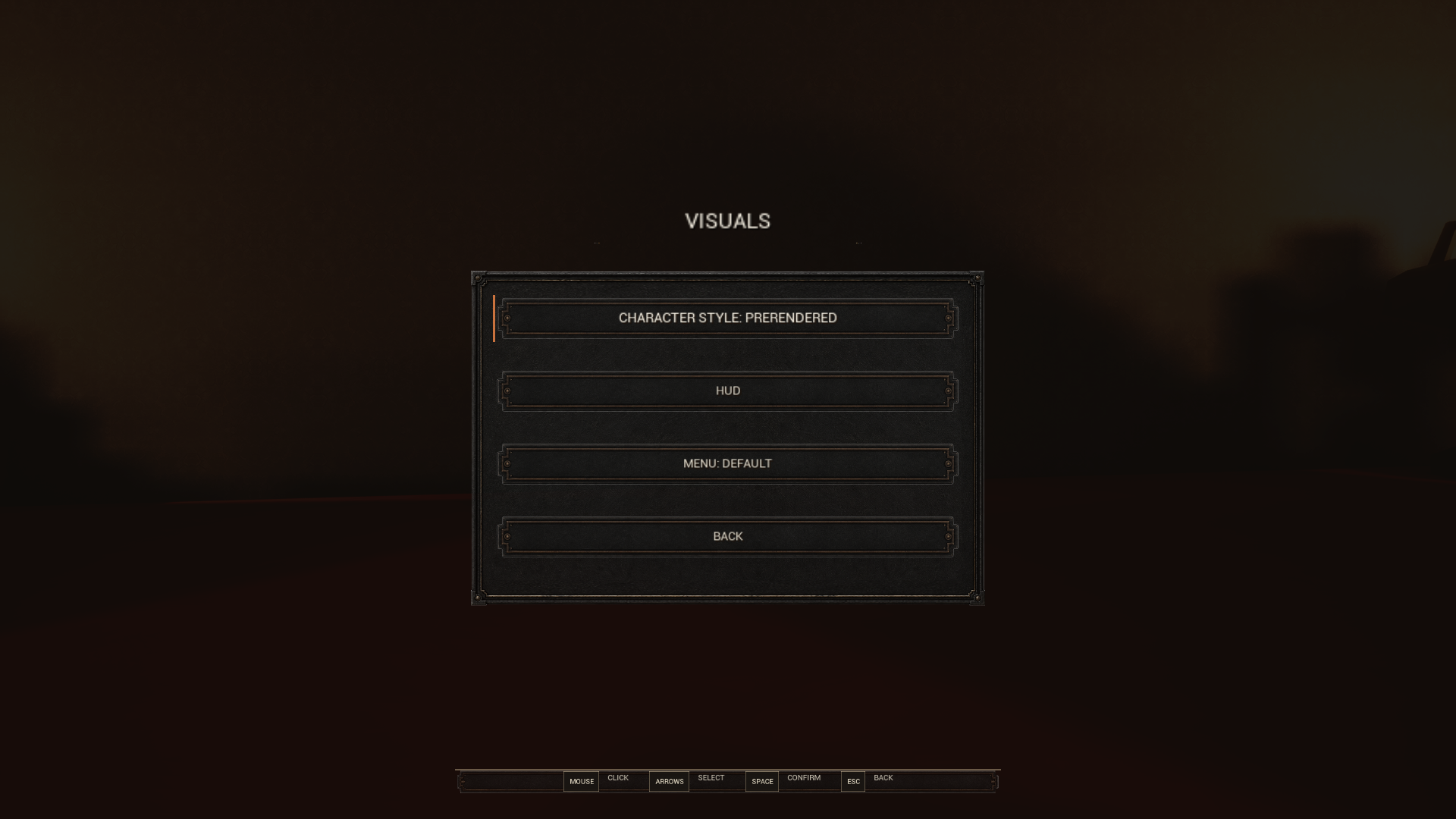
Open VIDEO → VISUALS → CHARACTER STYLE and select PRERENDERED. Choose DEFAULT to return to the original sprites. It is a saved local preference, separate from the HUD and menu-style controls.
VIDEO > VISUALS > CHARACTER STYLE: PRERENDERED. Character style is separate from the HUD and menu appearance settings.
Your setting determines how you see world characters, including other players and bots. It doesn't force everyone in a multiplayer session to use your choice. The character's identity, abilities, movement speed, collision and headshot rules do not change with this presentation setting.
That last point does not mean every painted edge has its own exact damage mask. Both styles share the same gameplay geometry. The recorded tests cover asset selection, frame directions, grounding, settings and shared standing collision checks; precise silhouette-edge hit testing and ordinary crouch gameplay need their own acceptance checks. The crouched artwork in the animation tests is not, by itself, proof of the normal crouch input path.
Fourteen conversions, both looks retained
Sheet Ghost completed the player roster in the 0.4.214 build. Both Independent and Steam packages passed the recorded character-style audit, with 67 captured scenes per distribution. This article uses that completed comparison set, rather than mixing it with the separate experimental real-time 3D work.
DEFAULT remains available because its harsher highlights and exaggerated sprite styling are a legitimate look, not merely a placeholder to erase. PRERENDERED offers smoother-looking forms, coherent diagonal views and a fuller movement cycle. I like having that choice: the same odd collection of knights, demons, crystal soldiers and armed holiday figures, seen through two different visual styles.
If you'd like to support my game-development projects, support me on Patreon. Thank you!